Searching 'Déclaration Edwards'? Your Burger King Quest Ends Here
If you've recently found yourself typing "déclaration edwards" into a search engine, perhaps hoping to uncover some unique Burger King lore, a secret menu item, or even a bizarre corporate policy, you're not alone in your curiosity. However, we're here to set the record straight: extensive research confirms that the phrase "déclaration edwards" has absolutely no connection to Burger King. You won't find it tucked between descriptions of Whoppers, crispy fries, or even in the annals of their corporate history. This article aims to clarify this widespread search query, explain why it's consistently absent from Burger King content, and help you understand what "déclaration edwards" might actually refer to in a broader context.
Unpacking the 'Déclaration Edwards' and Burger King Myth
The digital age often throws up unexpected connections, but sometimes a search query leads to a dead end, or worse, to entirely unrelated information. The case of "déclaration edwards" and Burger King is a prime example of such a disconnect.
The Disconnect: What Our Research Shows
Our comprehensive investigation into Burger King's vast online presence, including official websites, historical archives, press releases, and even their presence on major delivery platforms, yields one consistent result: "déclaration edwards" is simply not mentioned. We’ve meticulously scoured Burger King's corporate information on platforms like Wikipedia, their own brand pages, and partner sites such as Uber Eats, and the phrase remains conspicuously absent. There’s no evidence of a "Déclaration Edwards" relating to their menu items, internal policies, employee guidelines, or any historical event associated with the brand. It’s neither a forgotten burger recipe nor a company manifesto. For a deeper dive into this absence, you might find our related article,
Déclaration Edwards: Why It's Missing from Burger King Content, particularly insightful. Similarly, if your search led you to delivery services, our piece on
Burger King & Uber Eats: No 'Déclaration Edwards' Details Here further confirms this lack of connection.
Why the Confusion? Exploring Search Engine Nuances
Given the definitive lack of connection, why might a search for "déclaration edwards" sometimes present results that include Burger King? Several factors could be at play:
* **Broad Search Algorithms:** Search engines sometimes try to provide relevant results based on individual search history or general popularity, even if the direct keywords don't match. If you frequently browse fast-food related content, an obscure query might inadvertently pull in broader, popular sites like Burger King.
* **Typographical Errors or Misremembered Information:** It's possible "déclaration edwards" is a phonetic misspelling or a partial recollection of an entirely different phrase. The human brain can sometimes create unexpected associations.
* **Content Collisions:** In the vast ocean of the internet, sometimes two entirely unrelated topics can appear together in search results due to an obscure, contextual link that isn't immediately obvious or even truly relevant. For instance, a forum discussing "historical declarations" might coincidentally have a banner ad for Burger King, leading to an indirect association in search indexing.
* **Speculative Content Creation:** Occasionally, unusual search trends can even lead to the creation of content attempting to link disparate ideas, though in this case, the definitive lack of official Burger King references makes any such link entirely unfounded.
Ultimately, while the internet is a rich tapestry of information, it’s also prone to misdirection. The "déclaration edwards" connection to Burger King is firmly in the realm of misdirection.
Beyond the Whopper: What 'Déclaration Edwards' Likely Refers To
Since "déclaration edwards" unequivocally points away from Burger King, it's worth exploring what this phrase could genuinely signify. The structure "déclaration [name]" strongly suggests a formal statement, pronouncement, or document associated with an individual named Edwards.
Historical Contexts of 'Declarations'
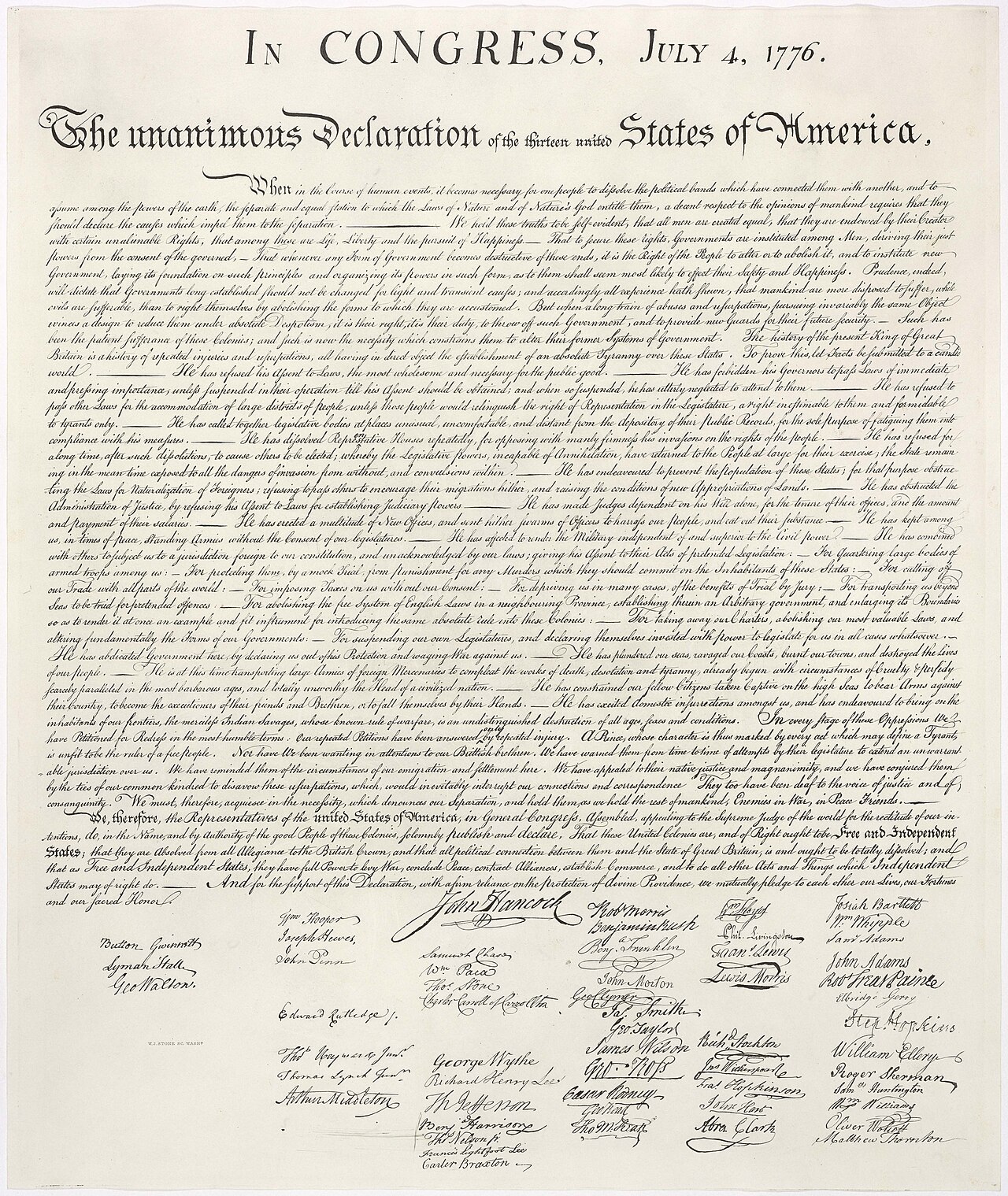
Historically, declarations are often monumental statements that shape societies, legal systems, or philosophical thought. Think of the *Declaration of Independence* or the *Universal Declaration of Human Rights*. When combined with a surname like 'Edwards,' it points towards a significant figure who articulated a notable stance.
One prominent historical figure who comes to mind is **Jonathan Edwards (1703–1758)**, an influential American theologian, philosopher, and Congregationalist minister. Known for his powerful sermons and writings during the First Great Awakening, Edwards articulated profound theological and philosophical positions. While there isn't one singular document widely known as the "Déclaration Edwards," his extensive body of work includes numerous "declarations" of faith, theological statements, philosophical treatises, and public pronouncements that could be informally referred to as such within specific academic or religious contexts. His work often delved into topics like free will, divine sovereignty, and the nature of virtue, each of which could be seen as a "declaration" of his views.
It's also possible "déclaration edwards" refers to a lesser-known historical document, a regional declaration, or a specialized academic or legal text that bears the name of its author or subject. Without further context, pinpointing the exact "déclaration edwards" is challenging, but its nature is almost certainly historical, legal, or intellectual.
Legal and Contemporary Interpretations
Beyond historical figures, a "declaration" can also be a legal or formal statement in contemporary society. For instance:
* **Legal Declarations:** In a legal context, a declaration might be a formal statement of facts, an affidavit, a declaration of trust, or a declaration of intent. If an individual named Edwards was involved in a significant legal case or policy-making, a key document might bear their name.
* **Public Statements:** An individual named Edwards, perhaps a public figure, politician, or leader in a specific field, might have issued a public declaration on a matter of importance.
* **Specialized Fields:** In certain academic or scientific disciplines, a researcher named Edwards might have proposed a new theory or principle, which could informally be referred to as a "déclaration" within that niche.
The key takeaway is that the phrase "déclaration edwards" resonates with formality, substance, and a clear distinction from the world of fast-food franchises. It prompts a search into history, law, or specific fields of knowledge rather than menu items.
Navigating Information Overload: Tips for Accurate Searching
The quest for "déclaration edwards" leading you to Burger King pages highlights a common challenge in the digital age: finding precise information amidst a sea of data. Here are some practical tips to refine your search queries and verify your findings:
Refining Your Search Queries
When your initial search yields irrelevant results, try these techniques:
* **Use Quotation Marks:** Enclosing your exact phrase in quotation marks ("déclaration edwards") tells the search engine to look for that precise string of words, in that order. This is excellent for specific titles or names.
* **Add Contextual Keywords:** If you suspect "déclaration edwards" is related to history, add terms like "history," "philosophy," "legal," "18th century," or "theologian." For example: "déclaration edwards history" or "Jonathan Edwards declaration."
* **Exclude Irrelevant Terms:** Use the minus sign (-) to exclude words you don't want to see. For instance, "déclaration edwards -burger king" would actively remove results related to the fast-food chain.
* **Specify File Types:** If you're looking for a document, try adding "filetype:pdf" or "filetype:doc" to your query.
* **Search Specific Sites:** If you suspect the information might be on a particular type of site (e.g., an academic journal), you can use "site:.edu" or "site:.org" to narrow your focus.
Verifying Sources and Information
Once you find potential information, always practice critical evaluation:
* **Check Multiple Sources:** Don't rely on a single website or article. Cross-reference information from several reputable sources.
* **Evaluate Source Credibility:** Ask yourself: Who published this information? Is it an academic institution, a respected news organization, a government body, or a personal blog? What are their credentials?
* **Look for Citations and References:** Reputable academic or historical content will typically cite its sources. Follow these citations to original documents or established scholarly works.
* **Consider the Date:** Information can become outdated. Check when the content was published or last updated.
* **Be Skeptical of Sensational Claims:** If something sounds too extraordinary to be true, it probably is.
By employing these strategies, you can significantly improve the accuracy and relevance of your search results, helping you differentiate between genuine historical or legal texts and entirely unrelated commercial content.
Conclusion
In summary, for those searching "déclaration edwards" and landing on pages related to Burger King, the message is clear: there is no connection. Our research confirms the phrase is entirely absent from any official Burger King content, whether on their websites, Wikipedia entries, or delivery platforms. The likely meaning of "déclaration edwards" points towards a significant historical, legal, or philosophical statement associated with an individual named Edwards – perhaps even the renowned theologian Jonathan Edwards. Understanding this distinction is crucial for effective information retrieval. By employing refined search strategies and critically evaluating sources, you can navigate the vast landscape of online information with greater precision, ensuring your quest for knowledge leads you to accurate and valuable insights, far removed from the golden arches.